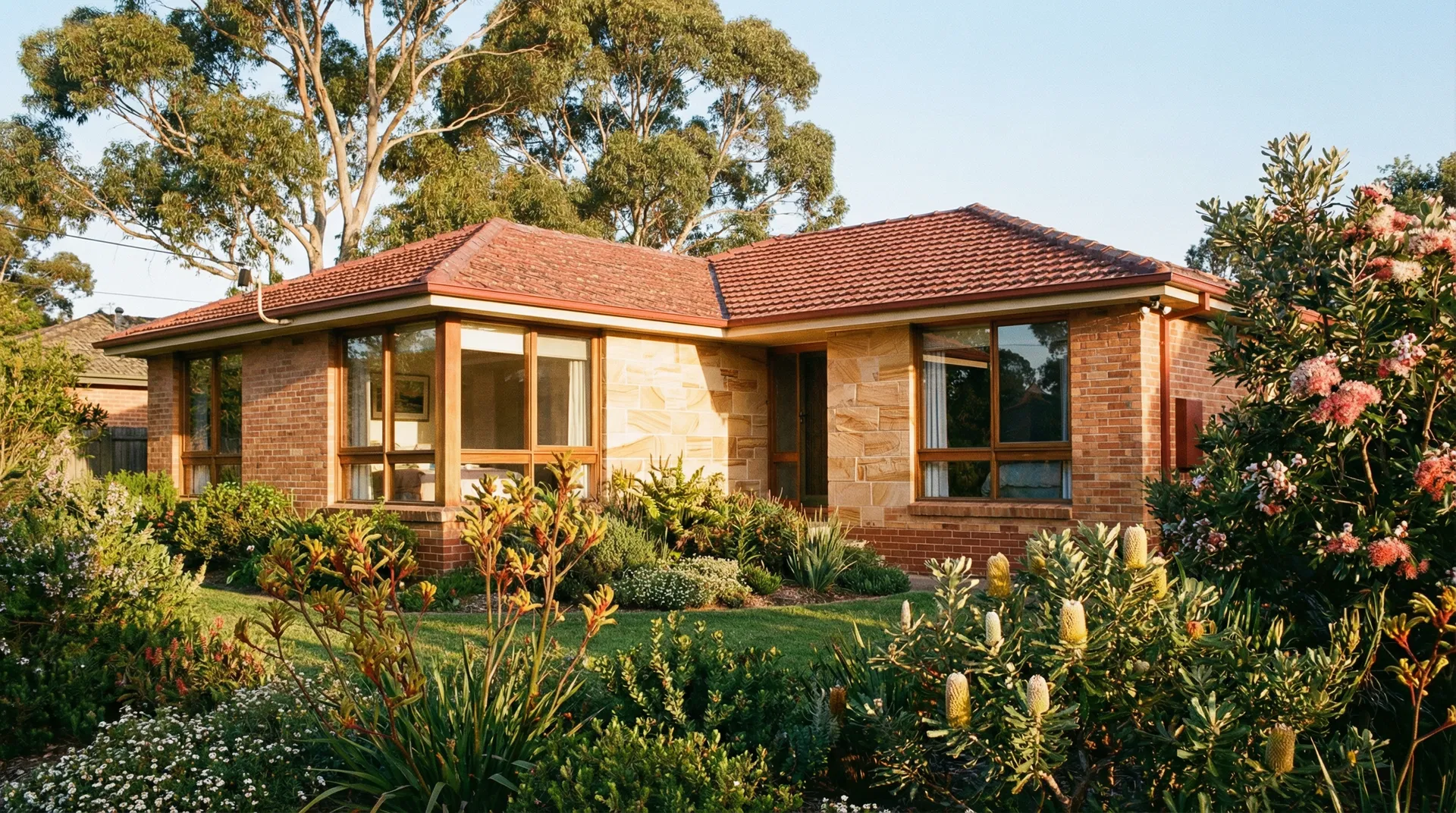
Your First Homein VictoriaStarts Here.
Navigate grants, stamp duty exemptions, Federal schemes and financing options — all in one place. Built for Victorian first home buyers.
- Eligibility rules explained clearly
- State & Federal schemes compared
- Interactive cost calculator
- New builds & established homes
Step 1
Are You Eligible?
The core rule is straightforward: neither you nor your spouse or partner can have previously owned residential property in Australia. But there are important nuances and exceptions worth understanding.
You Must Meet All of These
- 1You are a natural person (not a company or trust)
- 2You are at least 18 years of age at settlement
- 3At least one applicant is an Australian citizen or permanent resident
- 4You intend to occupy the property as your principal place of residence
- 5You will live in the home for at least 12 continuous months within 12 months of settlement
You Are NOT Eligible If…
- You or your spouse/partner have previously owned residential property in Australia (jointly or separately) before 1 July 2000
- You or your spouse/partner have lived in a home in Australia that either of you owned or part-owned for 6+ continuous months on or after 1 July 2000
- You or your spouse/partner have previously received the First Home Owner Grant anywhere in Australia
Important: These rules apply even if your spouse or partner is not a co-applicant on the title. Their ownership history still counts.
The Partner Rule — Often Overlooked
Even if you have never owned property, if your spouse or de facto partner has previously owned and lived in a residential property in Australia, you are both ineligible for the FHOG and stamp duty concession. This applies regardless of whether your partner is named on the new purchase. You must include your partner's details on the application and their ownership history is assessed.
Special Cases & Exceptions
Residency Requirement
At least one applicant must move into the home as their principal place of residence within 12 months of settlement and live there for at least 12 continuous months. Failure to meet this requirement means you must repay the grant.
Vacant Land
If buying vacant land to build on, you must move in by the earlier of 12 months from when the occupancy certificate is issued, or 36 months from settlement. The FHOG applies to the build contract value, not the land.
Step 2
Grants, Schemes & Concessions
Victorian first home buyers can access both State and Federal assistance. These schemes are a moving target — rules and amounts change regularly. Always verify current details with the relevant authority.
First Home Owner Grant (FHOG)
Victorian State Government
A $10,000 payment from the Victorian Government to help eligible first home buyers purchase or build a new home. This is a grant — it does not need to be repaid.
Key Details
Eligibility
- New home not previously sold, occupied or leased
- Property value up to $750,000
- Neither applicant nor partner has previously owned residential property in Australia
- Must occupy as principal place of residence for 12 months
- Australian citizen or permanent resident
Watch Out For
- Does NOT apply to established (existing) homes
- Substantially renovated homes may qualify — check with SRO
- If you receive the grant and fail residency requirements, you must repay it
Always verify current rules at the official source — these change frequently.
Quick Comparison
| Scheme | Type | New Homes | Established | Price Cap (Melb) | Income Cap |
|---|---|---|---|---|---|
| FHOG $10,000 | State | ✓ | ✗ | $750,000 | None |
| Stamp Duty Exemption | State | ✓ | ✓ | $600k (full) / $750k (partial) | None |
| 5% Deposit Scheme | Federal | ✓ | ✓ | $950,000 | None (removed Oct 2025) |
| Help to Buy | Federal | ✓ (40%) | ✓ (30%) | $950,000 | $100k / $160k |
| FHSS Scheme | Federal | ✓ | ✓ | None | None |
Step 3
Financing Your Purchase
Understanding where your money comes from — and how lenders assess your ability to repay — is as important as knowing which grants you qualify for.
Sources of Your Deposit
Personal Savings
The most straightforward source. Lenders typically want to see genuine savings held for at least 3 months. High-interest savings accounts and term deposits are ideal. Aim to document every dollar.
Tip: Lenders look for 'genuine savings' — funds held in your name for 3+ months. Windfalls and gifts may need to be held for a period before counting.
First Home Super Saver Scheme
Withdraw up to $50,000 in voluntary super contributions (plus earnings) to put toward your deposit. Contributions are taxed at 15% instead of your marginal rate — a meaningful tax saving for most buyers.
Tip: Apply for your FHSS determination from the ATO BEFORE you sign a purchase contract. Missing this step disqualifies you.
Bank of Mum and Dad
Gifted funds from family are acceptable to most lenders, but require a statutory declaration confirming the money is a gift (not a loan). Some lenders treat parental loans differently — always disclose.
Tip: If parents are going guarantor (using their home as security), this is a Family Guarantee — different from a cash gift. Seek independent legal advice for both parties.
Government Loan Schemes
The Federal 5% Deposit Scheme and Help to Buy both reduce the deposit required. The 5% Scheme means you only need 5% saved (no LMI). Help to Buy requires just 2% but the government takes an equity share.
Tip: These are guarantees and equity contributions — not cash grants. You still need to save the minimum deposit amount yourself.
Borrowings
Your home loan covers the bulk of the purchase price. Standard loans require 20% deposit to avoid LMI. With government schemes, you can borrow with 5% or 2% deposit. Loan terms are typically 25–30 years.
Tip: The assessment rate (your rate + 3% buffer) determines how much you can borrow. A $100,000 gross income typically supports borrowing of $400,000–$600,000 depending on expenses and debts.
Serviceability — Can You Afford the Repayments?
How Lenders Assess You
Banks assess your ability to repay at the assessment rate — typically your actual interest rate plus a 3% buffer (required by APRA). This means if your loan rate is 6%, you're assessed at 9%.
Rough Borrowing Guide
These are indicative figures only. Actual borrowing capacity depends on your specific circumstances, lender policies, and current interest rates.
Lenders Mortgage Insurance (LMI)
LMI protects the lender (not you) if you default on a loan with less than 20% deposit. It can cost tens of thousands of dollars, but can be avoided through government schemes or by saving a larger deposit.
| Loan-to-Value Ratio | Deposit Required | Approx. LMI Cost | Notes |
|---|---|---|---|
| Up to 80% | 20%+ | $0 | No LMI required |
| 80.1% – 85% | 15–20% | ~0.5–1% | Of loan amount |
| 85.1% – 90% | 10–15% | ~1–2% | Of loan amount |
| 90.1% – 95% | 5–10% | ~2–4% | Of loan amount — can be capitalised |
| 5% Deposit Scheme | 5% | $0 | Govt guarantee replaces LMI |
| Help to Buy | 2% | $0 | Govt equity replaces LMI |
Upfront Costs Beyond the Deposit
Many first home buyers underestimate the costs beyond the deposit. Budget for these in addition to your deposit and loan.
Depends on price & FHB status
Land Use Victoria fee
Solicitor or conveyancer
Strongly recommended
Varies by lender
If LVR > 80% and no govt scheme
Depending on distance and volume
Step 4
Stamp Duty & Registration Fees
Land transfer (stamp) duty is one of the largest upfront costs when buying property in Victoria. First home buyers receive significant concessions — but the thresholds are critical.
First Home Buyer Duty Thresholds
Dutiable value is the greater of the price paid or market value. For off-the-plan purchases, the dutiable value may be reduced if you are eligible for the off-the-plan concession.
Stamp Duty Examples — First Home Buyer vs Standard Buyer
| Purchase Price | FHB Duty | Standard Duty | FHB Saving |
|---|---|---|---|
| $400,000 | $0 | $16,370 | $16,370 saved |
| $500,000 | $0 | $21,970 | $21,970 saved |
| $600,000 | $0 | $31,070 | $31,070 saved |
| $650,000 | $11,357 | $34,070 | $22,713 saved |
| $700,000 | $24,713 | $37,070 | $12,357 saved |
| $750,000 | $40,070 | $40,070 | — |
| $800,000 | $43,070 | $43,070 | — |
| $900,000 | $49,070 | $49,070 | — |
| $1,000,000 | $57,770 | $57,770 | — |
* Indicative figures only. Actual duty may vary. Use the SRO Victoria calculator for precise amounts.
PPR (Principal Place of Residence) Rates
For contracts on or after 6 May 2008
| Value Range | Rate |
|---|---|
| $0 – $25,000 | 1.4% of dutiable value |
| $25,001 – $130,000 | $350 + 2.4% of excess over $25,000 |
| $130,001 – $440,000 | $2,870 + 5% of excess over $130,000 |
| $440,001 – $550,000 | $18,370 + 6% of excess over $440,000 |
| Above $550,000 | General (non-PPR) rates apply |
General (Non-PPR) Rates
Applies above $550k PPR and for investment properties
| Value Range | Rate |
|---|---|
| $0 – $25,000 | 1.4% of dutiable value |
| $25,001 – $130,000 | $350 + 2.4% of excess over $25,000 |
| $130,001 – $960,000 | $2,870 + 6% of excess over $130,000 |
| $960,001 – $2,000,000 | $55,370 + 6% of excess over $960,000 |
| Above $2,000,000 | Additional 2% premium duty applies |
Land Transfer Registration Fees (2025–26)
In addition to stamp duty, you pay a land transfer registration fee to Land Use Victoria. This fee is based on the property value and is separate from stamp duty.
Fee formula: $704 + $2.34 per $1,000 of consideration (max $3,621). Source: Land Use Victoria 2025–26 fees. Always verify at land.vic.gov.au.
Step 5
New Build vs Established Home
The type of property you buy significantly affects which grants and concessions you can access. The $10,000 FHOG is only available for new homes, while stamp duty concessions apply to both.
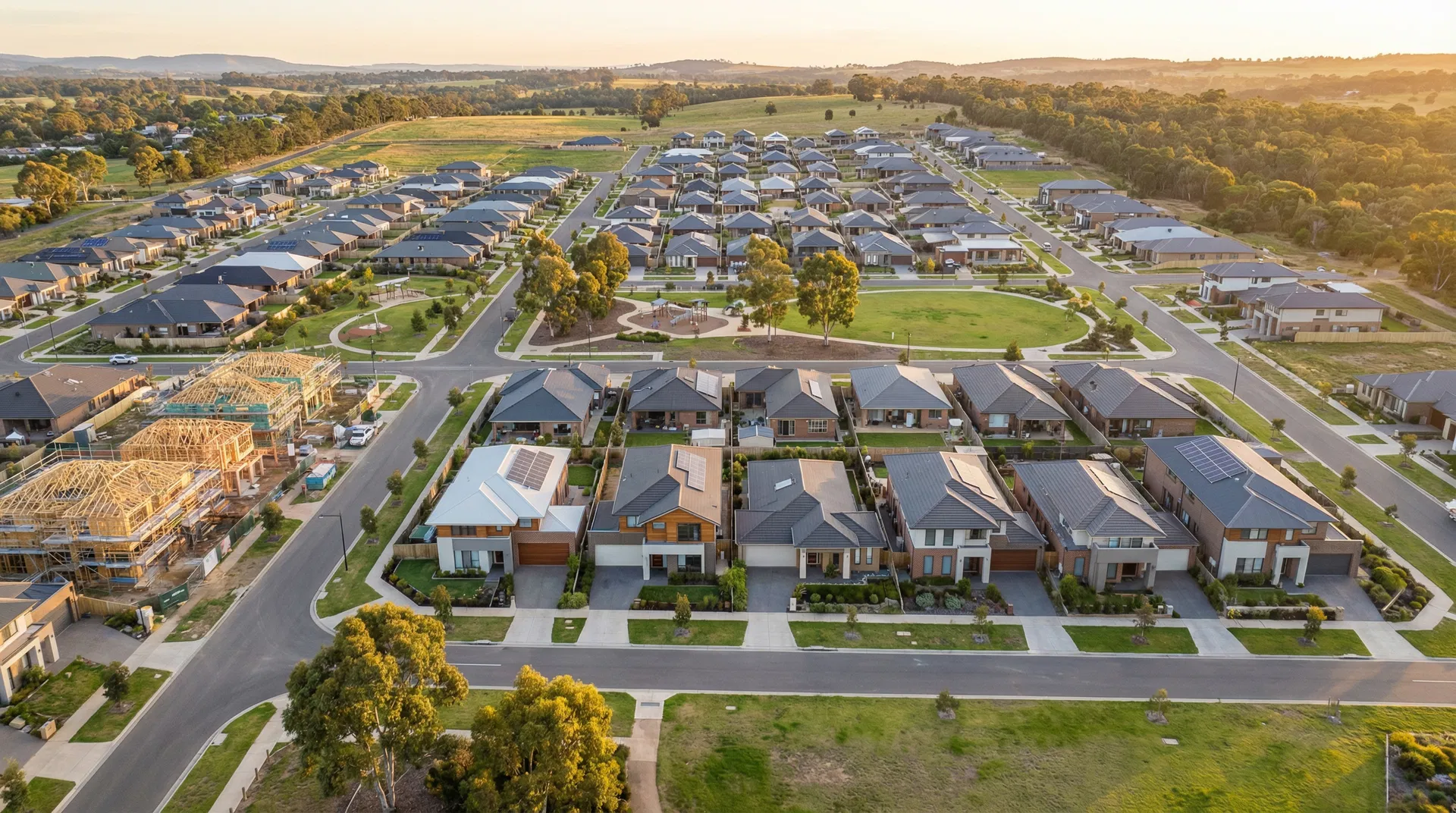
Advantages
- Eligible for $10,000 FHOG grant
- Often lower maintenance costs initially
- Modern energy efficiency standards
- Stamp duty on land only (off-the-plan concession may apply)
- Builder warranty (structural defects — 10 years in VIC)
- Customise finishes and layout
Watch Out For
- Build delays are common — can take 12–24 months
- Land and build contracts are separate — complexity
- Progress payments required during construction
- Area may lack established infrastructure (schools, shops)
- Valuations can come in below contract price
- FHOG only paid at first drawdown — cash flow planning needed
House & Land packages: The land and build are two separate contracts. The FHOG applies to the build contract value. Stamp duty is generally calculated on the land value only (at time of land settlement).
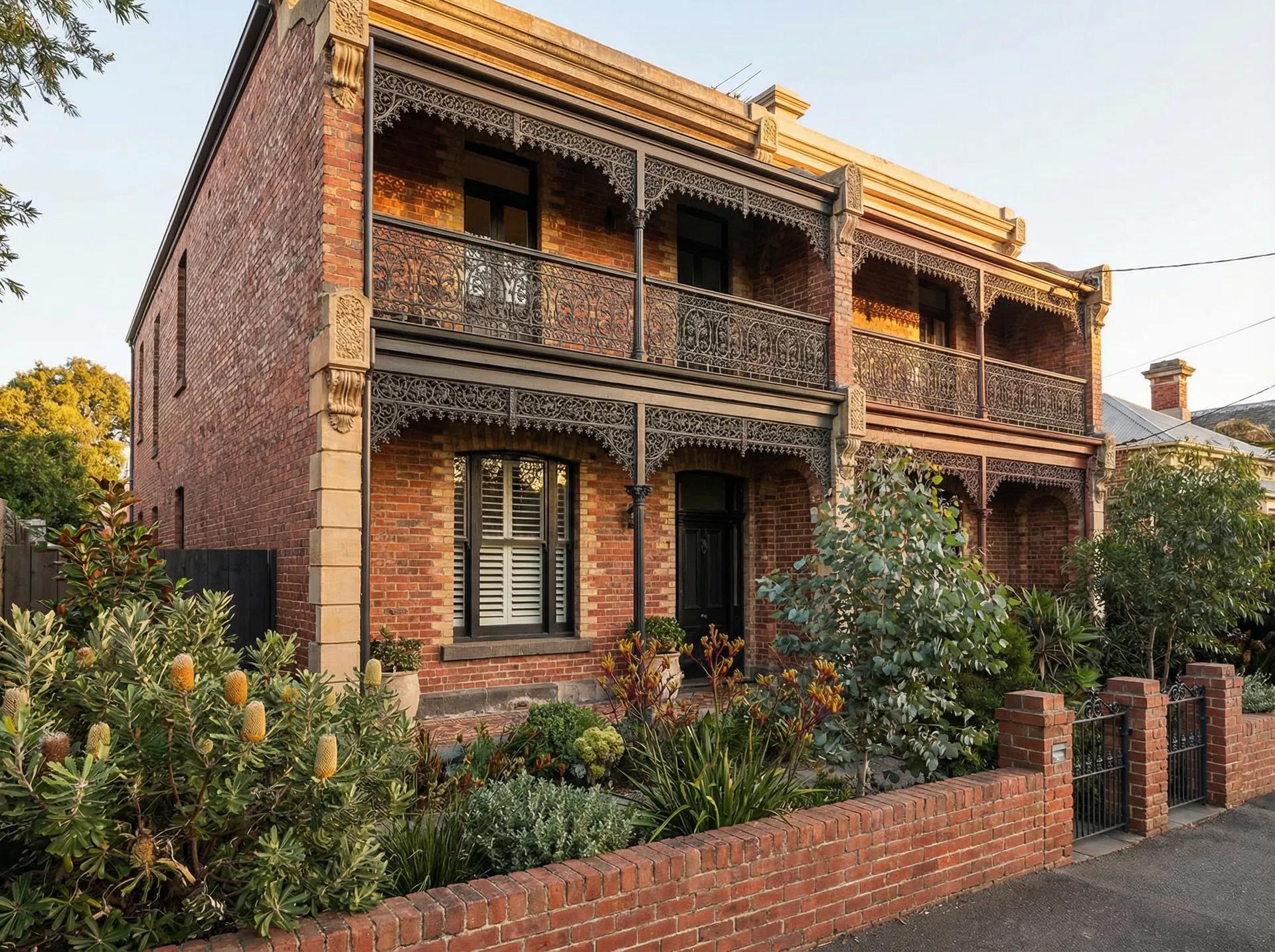
Advantages
- Immediate possession at settlement
- Established neighbourhoods, infrastructure, schools
- What you see is what you get — no construction risk
- Eligible for stamp duty exemption/concession (up to $750k)
- Easier to get finance — no construction loan complexity
- Can negotiate on price
Watch Out For
- NOT eligible for the $10,000 FHOG grant
- May require renovation — additional costs
- Older homes may have hidden defects
- Stamp duty exemption still limited to $600k full / $750k partial
- Competition at auction can push prices up
Substantially renovated homes may qualify as "new" for FHOG purposes if the renovations were so extensive the property is essentially new. Check with the SRO Victoria.
Which Schemes Apply to Which Property Type?
| Scheme | New Home | Established | Note |
|---|---|---|---|
| FHOG $10,000 | New homes only | ||
| Stamp Duty Exemption | Both — up to $600k | ||
| Stamp Duty Concession | Both — $600k–$750k | ||
| 5% Deposit Scheme | Both — up to $950k (Melb) | ||
| Help to Buy (40%) | New homes only | ||
| Help to Buy (30%) | Established only | ||
| FHSS Scheme | Both |
Step-by-Step
Your Buying Roadmap
From checking your finances to getting your keys — a complete step-by-step guide to buying your first home in Victoria. Expand each step for a detailed checklist.
Suburb Tool
Can I Afford This Suburb?
Enter your income and deposit, then search any Victorian suburb to see how your borrowing capacity compares to the real median house price. Data from REIV Quarterly Results (585 suburbs, Q1 2024).
Your Financial Profile
Estimate only. Actual capacity depends on lender policy, credit score, and HEM benchmarks. Get a formal pre-approval from a lender.
585 Victorian suburbs — Metropolitan Melbourne and Regional Victoria
Median prices sourced from REIV Quarterly Results (March Quarter 2024). Prices change quarterly. Borrowing capacity is an estimate only — assessed at your interest rate plus the APRA 3% serviceability buffer. Always obtain formal pre-approval from a licensed lender before making an offer.
Step 6
First Home Buyer Calculator
Estimate your total costs, loan amount, monthly repayments, and which schemes you qualify for. Adjust the sliders to see how each variable affects your outcome.
Affects Federal scheme price caps
Your Cost Summary
Monthly Repayments
Lenders assess your ability to repay at the assessment rate (actual rate + 3% APRA buffer). Your income must support the higher figure.
Purchase Breakdown
- Loan Amount
- Your Deposit
- FHOG Grant
Scheme Eligibility Check
This calculator provides estimates only and does not constitute financial advice. Stamp duty, LMI, and repayment figures are indicative. Always consult a licensed mortgage broker, financial adviser, and the SRO Victoria for accurate figures.